


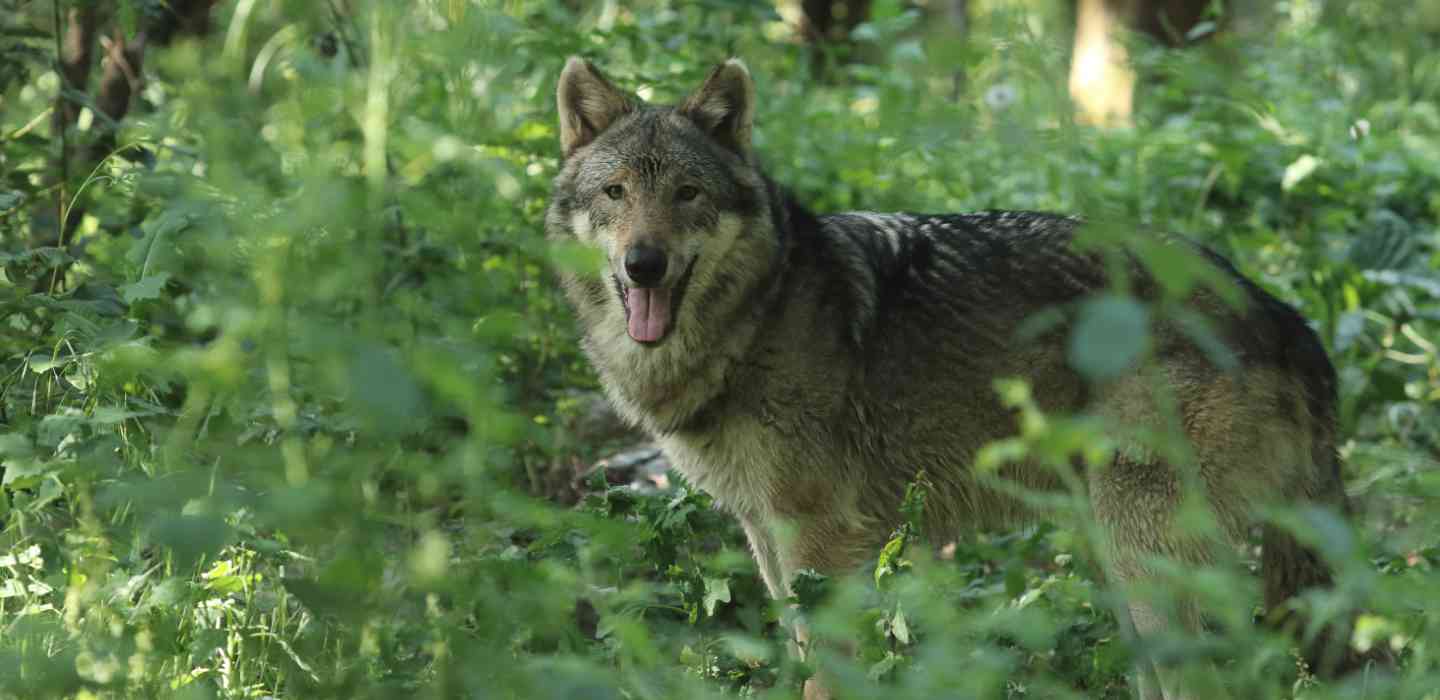


Wolf
Canis lupus
The wolf inhabits a wide variety of environments, from mountains and forests to hills and farmland. In recent years, it has also returned to areas close to towns and cities, demonstrating its remarkable ability to adapt. Wolves live in family packs, where adults work together to raise their pups. Living alongside this predator is possible: simply avoid leaving food or waste in the environment, never approach or feed wolves, and keep pets and livestock properly protected.
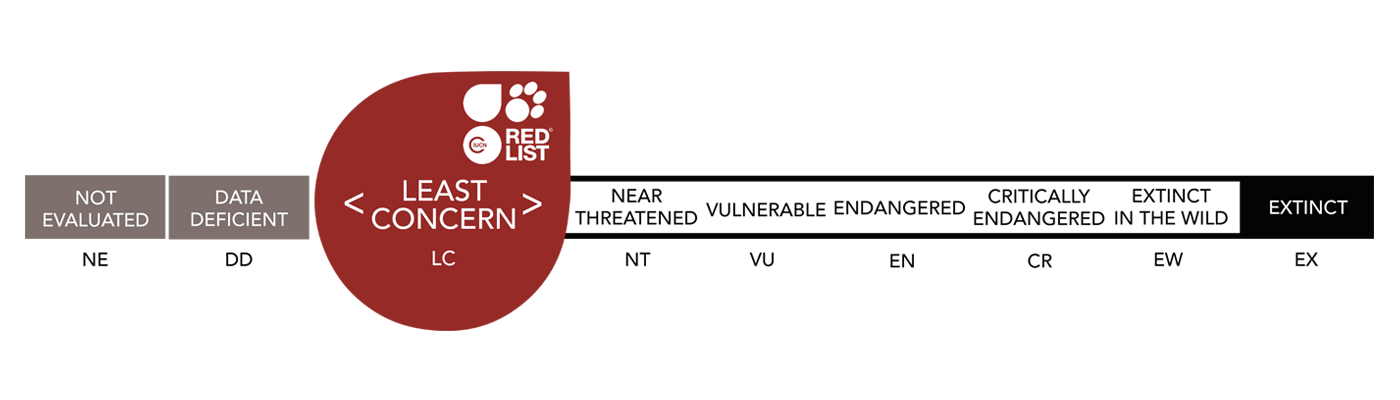
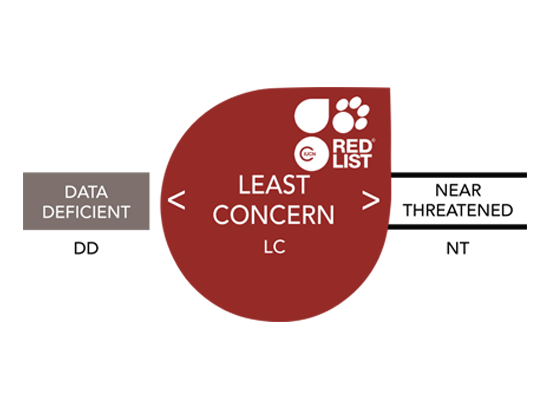
IUCN RED LIST
The IUCN (International Union for Conservation of Nature) classifies living species according to criteria that take into account their level of threat of extinction: the Red List is an indispensable tool for coordinating nature conservation actions, a veritable barometer of the health of our Planet.


EEP Project
This species is included in EAZA’s (European Association of Zoos and Aquariums) EEP programme for breeding endangered species.
Lives in: Europe, North America and Asia

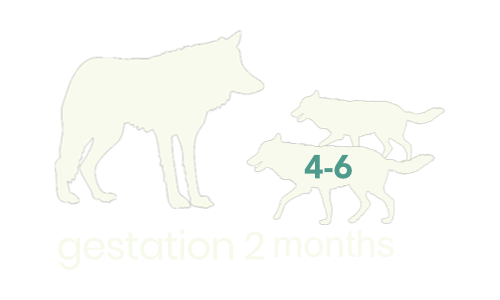
How many offspring
What does it eat
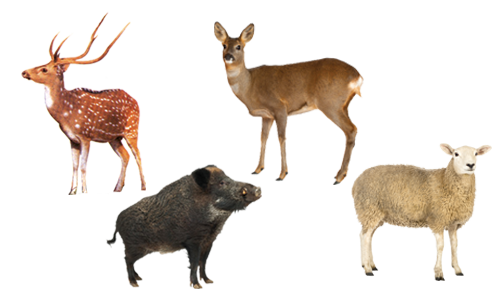
Who eats it

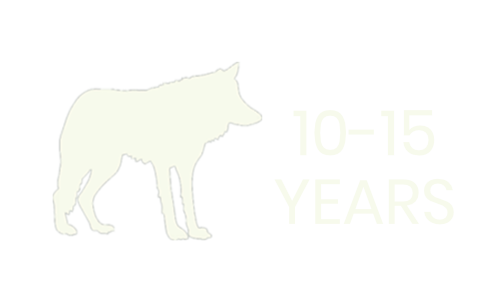
How long does it live
Fun Fact
Little Red Riding Hood wouldn’t be famous without the wolf
In fairy tales, it is always portrayed as black and evil, because in the 19th century it represented a danger for poor communities living on the edge of the forest.
In reality, the wolf is not dangerous to humans, if anything, the opposite is true.
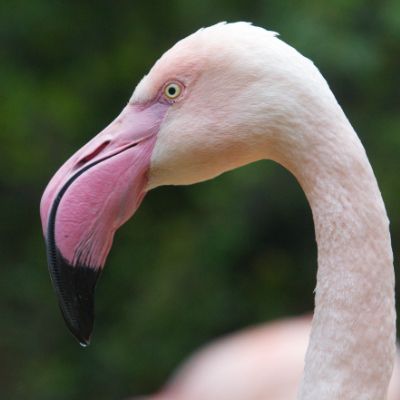
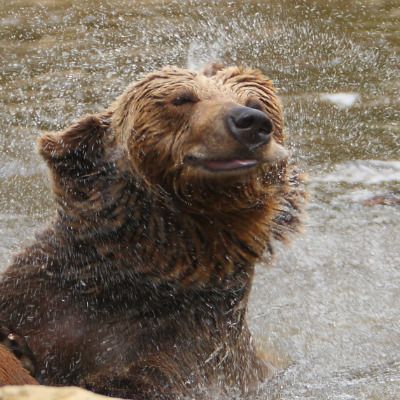
Gli animali che vivono nella stessa area geografica

Cosa dicono le persone che hanno adottato
Malia M.
Verificato
Follow Us!


